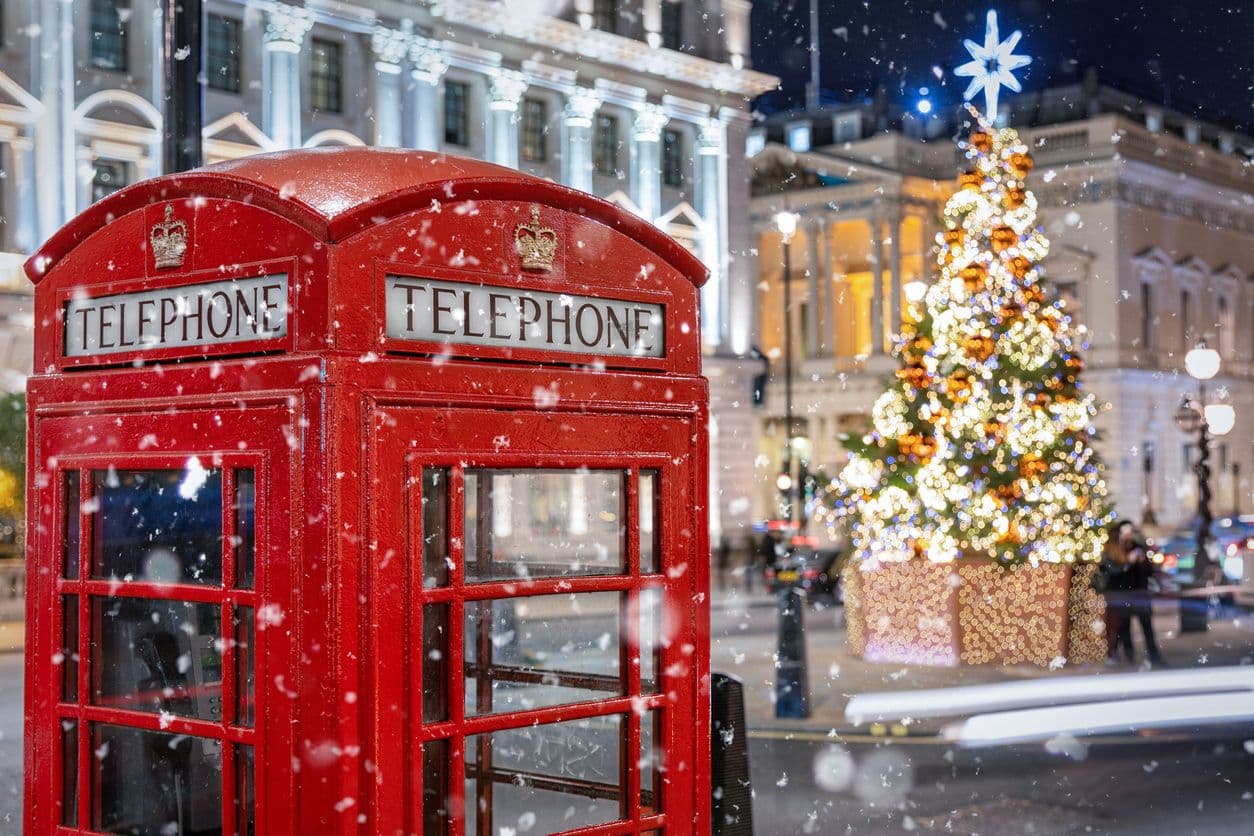
When thinking of a Christmas in the UK, the mind usually wanders to scenes of crisp white snow and frosted windowpanes. However, for those living across the British Isles, the reality is often more "atmospheric". Rolling grey mists, a gentle Atlantic drizzle, or the brisk, salty winds waft over sleepy, out of season coastal towns. Christmas is the one time when the weather becomes a central character in the national story of the UK.
Festive traditions across the UK are more than just habits; they are a direct result of the unique British winter. Long before central heating and hyper-local OpenWeather forecasts, people developed rituals to cope with the shortening days and the biting chill. Many beloved customs started as a way to bring light back during the darkest weeks of the year. From the flickering candles on a wreath to the roaring fires in country pubs, warmth and light have always been used to defy the damp conditions outside.
An interesting connection between the weather and UK traditions is the historical "Weather Folklore" that many rural communities once used to predict the coming year. For generations, it was believed that the wind direction on Christmas Eve could tell the fortune of the next harvest. A wind from the south was said to mean a mild and productive year, while a wind from the north signaled a "great and long winter." These superstitions highlight how deeply people in the UK once relied on observing the skies to navigate the holiday season and the months beyond.
Resilience Against the Elements
The UK has a wealth of customs that prove its residents are a hardy bunch when it comes to the winter elements. Whether it is an ancient ritual to protect the coming harvest or a modern excuse for a bracing dip, these traditions highlight a unique relationship with the British climate:
- Wassailing the Orchards: In the cider-making counties of the West Country, groups gather in dark, cold orchards to sing to the apple trees. They splash cider on the roots and make a tremendous noise with pots and pans to "frighten away" winter spirits, ensuring the trees survive the frost to fruit again in the spring.
- The Winter Swims: One of the most shivering traditions involves thousands of people heading to beaches in places like Brighton, Tenby, or Sandycove on Christmas morning. Clad in nothing but swimsuits and Santa hats, they plunge into the freezing Atlantic or North Sea, turning the winter chill into a community celebration.
- Bringing in the Green: The practice of decorating with holly, ivy, and mistletoe stems from the fact that these are some of the only plants that stay vibrant and green through a harsh British winter. By bringing them indoors, people were traditionally reminding themselves that life persists even when the fields are brown and the trees are bare.
- The Stonehaven Fireballs: In Scotland, as the festive season transitions toward the New Year, locals swing massive balls of fire around their heads while marching through the streets. It is a spectacular sight against the dark winter sky, designed to burn off the "bad weather" of the past year and purify the air for the next.
Even the food in the UK is a reaction to the climate. Heavy, spice-laden Christmas puddings and rich mince pies (made with dried fruit) weren't just about indulgence; they were designed to be high-energy fuel for a time when the body had to work harder just to stay warm. Mulled wine and cider are popular precisely because they are served steaming hot, providing a portable heater for the hands as much as a treat for the palate during local carol services.
As the afternoon light fades, the true essence of a British Christmas takes hold. It is found in the condensation on the windows of a crowded kitchen, the savory aroma rising from a golden roasted turkey, and the sound of a sudden rain shower against the roof while the fire crackles inside. It is a season defined by the contrast between the wild, unpredictable elements outdoors and the glowing warmth created within. No matter what the barometer says, the traditions of the UK ensure that the midwinter remains a time of light and celebration.