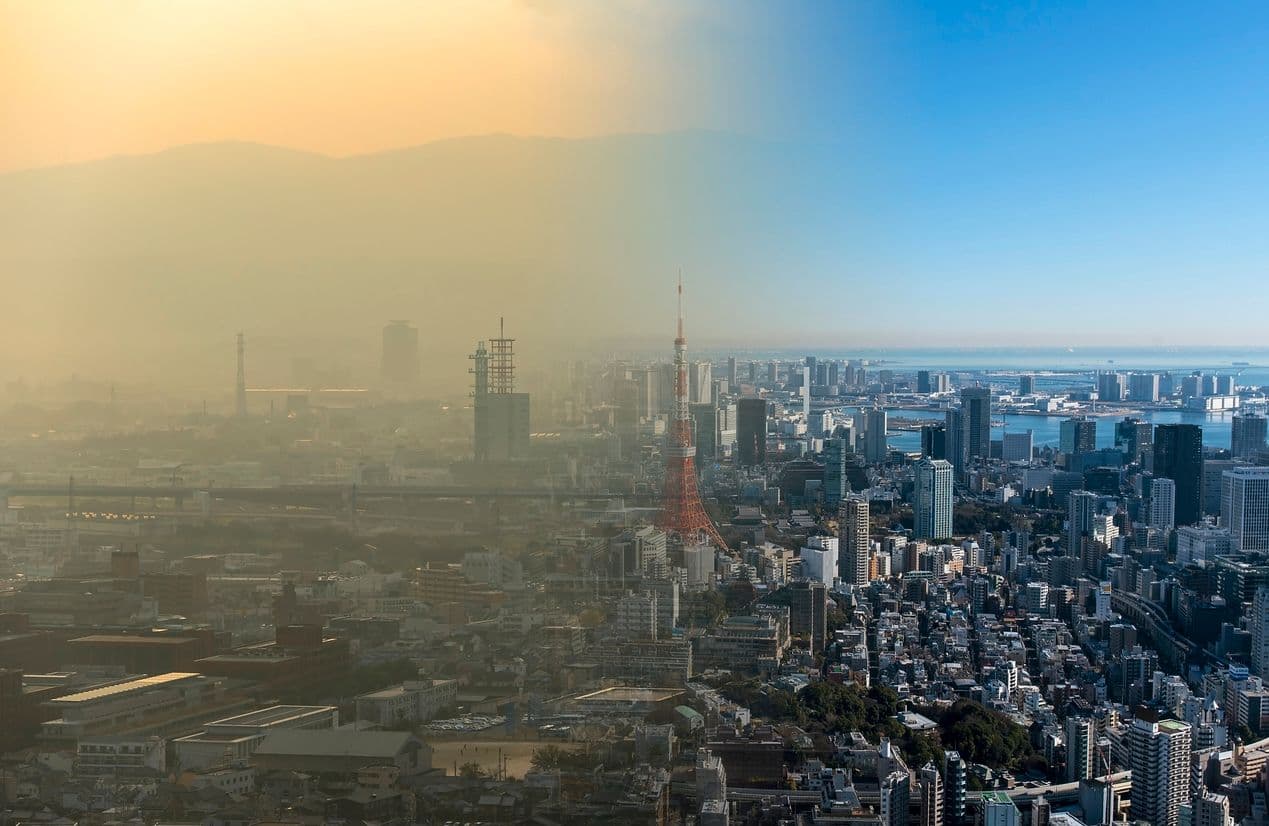
Clean air is essential for a healthy life. Traditionally, monitoring the quality of the air we breathe has been the responsibility of government agencies using sophisticated, expensive equipment. While this provides a vital overview, it often misses the nuances of pollution at a neighborhood or even street level. Now, a powerful movement is changing that. Welcome to the world of citizen science, where everyday people are becoming active participants in monitoring and improving their local environments.
The Rise of Hyperlocal Air Quality Monitoring
The last decade has seen a dramatic increase in the availability of low-cost, easy-to-use air quality sensors. This technological leap has empowered communities to take a leading role in understanding their local air quality. No longer is this data the exclusive domain of scientists and officials. Now, anyone can set up a sensor and contribute to a growing network of hyperlocal pollution maps.
A fantastic example of this in action is the Sensor.Community network. This global, grassroots project provides instructions for building and installing sensors that measure airborne particulate matter. With thousands of these sensors active worldwide, Sensor.Community is creating a detailed, real-time map of air quality that is open and accessible to all. This kind of civic tech initiative is transforming our understanding of pollution, revealing how it can vary significantly from one street to the next. Projects like this, and the work of organizations such as Friends of the Earth with their own community monitoring campaigns, are demonstrating the power of putting data directly into the hands of the public.
From Data to Action
Collecting data is the first step, but the real power of citizen science lies in its ability to drive positive change. When community-collected air quality data is combined with weather information, it becomes an even more potent tool for public health and advocacy. For instance, knowing the wind direction and speed can help identify the sources of pollution. Understanding how temperature and humidity affect pollution levels can help residents take preventative measures on days when air quality is poor.
Armed with this detailed, localized information, communities are better equipped to advocate for change. They can present data to local authorities to call for traffic calming measures, more green spaces, or restrictions on industrial emissions. This evidence-based approach to advocacy is far more effective than anecdotal complaints and can lead to real improvements in public health.
How OpenWeather Empowers Citizen Scientists
This is where OpenWeather's services can play a crucial role. Our products are designed to provide accurate and accessible weather data that can enrich citizen science projects and help turn raw data into actionable insights.
For those looking to add a professional layer to their community data, our Air Pollution API is an invaluable resource. It provides real-time and forecast data for common pollutants like CO, NO2, O3, and SO2, as well as PM2.5 and PM10. Citizen scientists can use this API to:
- Cross-reference their own sensor readings with official data to validate their findings.
- Fill in the gaps in their own network with data from our comprehensive models.
- Create a more complete picture of local air quality by combining hyperlocal sensor readings with our broader forecasts.
To understand the historical context of pollution events, our Historical Products Collection is another powerful tool. By retrieving past weather data for specific locations, citizen scientists can analyze how weather conditions have influenced air quality over time. This can help to identify patterns and trends, making it easier to pinpoint the root causes of pollution and to predict future events.
A Breath of Fresh Air for Our Communities
The rise of citizen science in air quality monitoring is a testament to the power of community action and accessible technology. By taking an active role in understanding their local environment, people are not only protecting their own health but are also contributing to a global movement for cleaner air.
As this movement continues to grow, the combination of community-collected data and professional weather services like those offered by OpenWeather will become increasingly important. Together, we can create a more detailed and accurate picture of the air we breathe, empowering us all to work towards a healthier, more sustainable future. The people's air quality map is being drawn, block by block, and it is a map of hope, empowerment, and positive change.