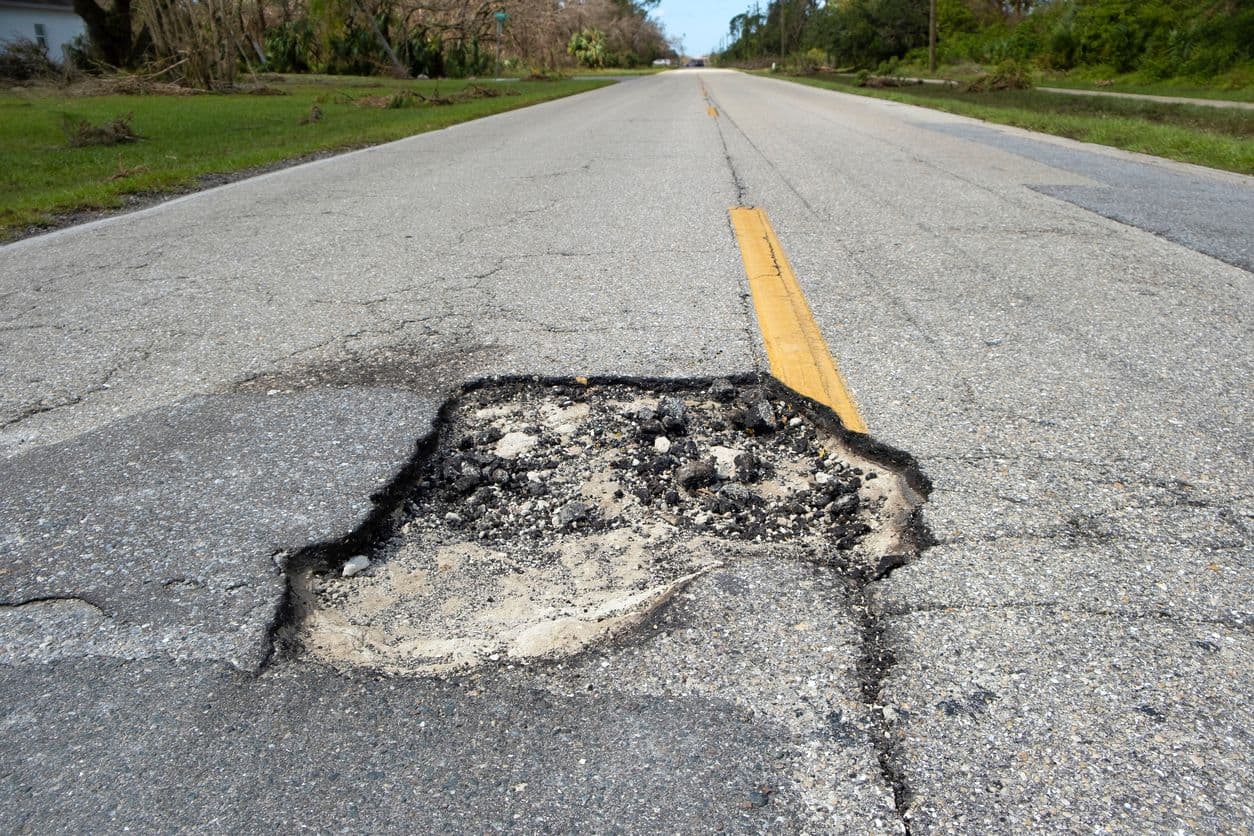
Spring in the northern United States and Canada brings a predictable and costly phenomenon known as pothole season. In cities like Chicago and Toronto, the transition from winter to spring is visibly marked by deteriorating road surfaces. Municipalities spend millions of dollars annually repairing these hazardous craters, while drivers face expensive vehicle repairs from blown tires, damaged wheels, and bent suspension components. Historically, public works departments have operated on a reactive basis, relying on citizens to report road damage before dispatching crews. The sheer volume of service requests during the peak of the season often leaves local governments struggling to keep pace. However, modern advancements in meteorological data and road weather intelligence are allowing infrastructure planners to predict exactly where and when these hazards will form. This enables a shift toward early intervention and proactive maintenance.
The Science Behind the Freeze Thaw Cycle
Understanding why potholes form requires looking at the physical makeup of asphalt and the environmental forces acting upon it. The primary culprit is the freeze thaw cycle. Asphalt appears solid but is actually quite porous. Over time, heavy traffic and normal wear create microscopic fissures in the road surface. When rain falls or snow melts, water naturally seeps into these microcracks and accumulates in the base layers of the road.
When temperatures drop below freezing, the trapped water turns into ice. Water expands by roughly nine percent when it freezes. This expansion exerts tremendous pressure on the surrounding road, pushing the asphalt upward and creating a hollow space underneath the road surface. When the weather warms up and the ice melts, the water dissipates, leaving behind an unsupported void beneath the asphalt. As heavy vehicles drive over this weakened area, the road collapses into the void, fracturing the surface and creating a pothole. This process repeats throughout the winter and spring, destroying the road from within.
Moving from Reactive to Predictive Maintenance with OpenWeather
Traditional road maintenance strategies fall short because they wait for the road to collapse entirely. Planners often find themselves overwhelmed during the peak of the season, scrambling to patch roads based on an influx of driver complaints. This delay allows small fissures to grow into massive craters, exponentially increasing the cost and time required for repairs. The administrative burden of logging complaints, dispatching inspectors, and assigning work orders further slows down the response time, leaving dangerous road conditions exposed to daily commuters.
Integrating specialised predictive weather data changes this dynamic completely. By utilizing the OpenWeather Advanced Road Maintenance Solution, maintenance planners can gain access to precise road surface temperature forecasting and black ice probability modeling. This intelligence allows public works directors to track exact temperature fluctuations across a seven day forecast at the route level. Instead of looking at broad regional ambient air temperatures, they can monitor specific road segments to see exactly when surface temperatures will drop below freezing and when they will rise again. Road surfaces retain heat differently than the air, making specialised road surface data crucial for accurate predictions.
This granular data enables a highly efficient workflow. When planners see a freeze thaw cycle developing over a specific weekend, they do not have to wait for Monday morning phone calls from angry drivers. They can preschedule rapid patching crews to deploy the moment the ice melts and the weather permits. Crews arrive at vulnerable road segments to seal microcracks and repair minor damage before the heavy traffic of the morning commute causes a total structural failure. Intervening at this early stage requires less material and labor, ultimately stretching municipal maintenance budgets further.
The Tangible Benefits of Early Intervention
Shifting to a predictive maintenance model offers several tangible benefits for municipalities and road authorities.
- Reduced repair costs emerge as early intervention prevents minor surface damage from expanding into major structural failures requiring extensive repaving.
- Optimised crew deployment allows public works departments to schedule labor efficiently rather than paying overtime for emergency patch jobs during peak hours.
- Enhanced driver safety is achieved by removing road hazards before they cause accidents or vehicle damage.
- Extended road lifespan results from preventing water from continuously undermining the structural integrity of the road base.
- Improved public satisfaction occurs because citizens experience smoother roads and fewer disruptions from emergency construction zones.
Transforming Infrastructure Management
Applying route level weather intelligence to infrastructure management transforms a chaotic seasonal problem into a manageable logistical process. Cities in regions notorious for harsh winters, like the American Midwest and the Canadian provinces, are perfectly positioned to benefit. By understanding the physics of the freeze thaw cycle and utilising OpenWeather predictive toolsI, road maintenance professionals can finally get ahead of the pothole epidemic.
They transition from chasing complaints to actively protecting the roadways, ensuring safer and more resilient transportation networks for everyone.