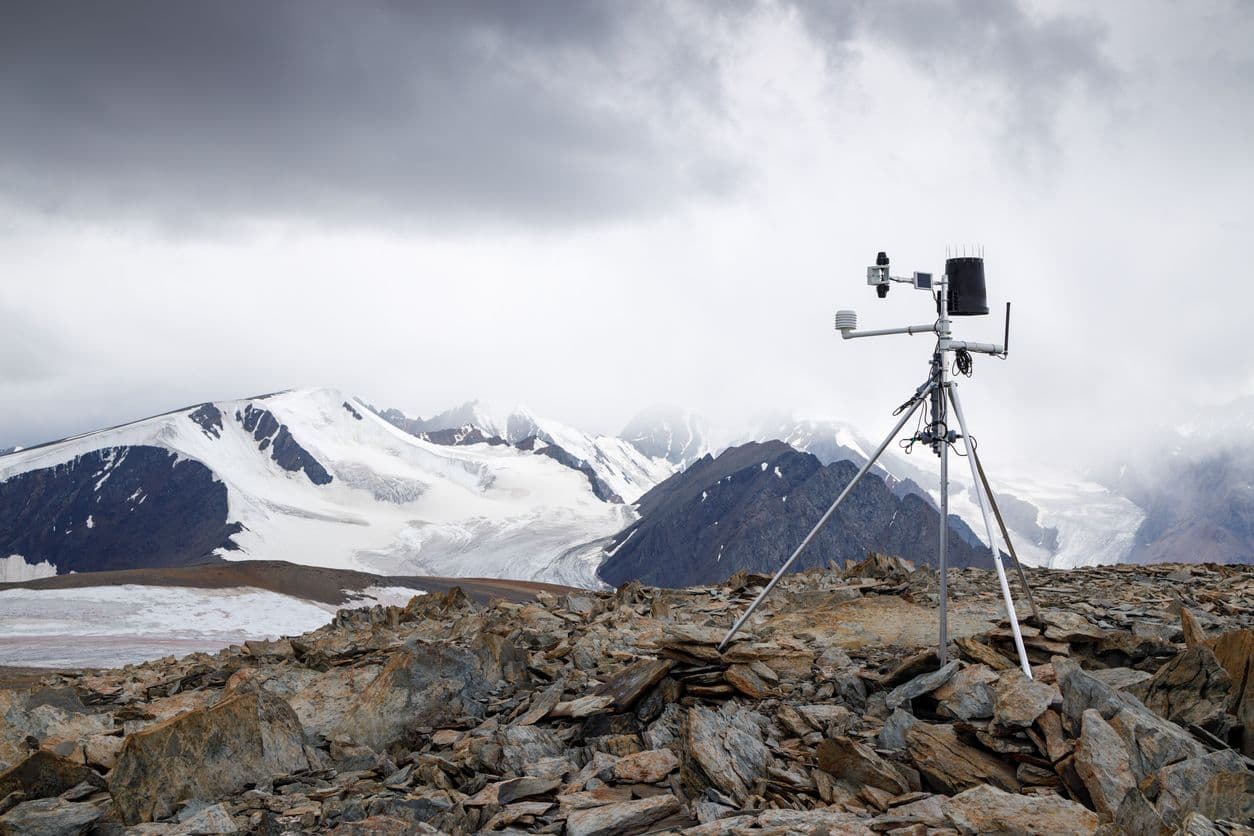
The landscape of weather data collection is undergoing a quiet revolution, driven not by large government institutions, but by individuals and local communities. Citizen science, the public participation in scientific research, is transforming how we understand and prepare for weather events. This movement transforms the public from passive consumers of information into active producers of a vital public good, generating invaluable hyper-local data that complements official government networks.
A powerful example of this model is the Community Collaborative Rain, Hail & Snow (CoCoRaHS) network. This grassroots volunteer network began in Colorado and has since expanded to include over 27,000 active observers in the U.S., Canada, and other countries. These volunteers, using low-cost measurement tools, report precipitation directly from their backyards. The saying, "Rain doesn't fall the same on all," perfectly captures the value of this network, as it gives scientists a clearer picture of where and how much precipitation falls across communities. This level of granular detail is often difficult for official networks to capture, which may have hundreds of miles between observation stations. Government agencies like the National Oceanic and Atmospheric Administration (NOAA) and the National Weather Service (NWS) actively support such initiatives, recognizing their importance.
The Symbiotic Relationship of Data
This volunteerism directly addresses the "free rider problem" inherent in public goods, as individuals choose to contribute to a shared resource for the benefit of their community and beyond. The University of New England's (UNE) project on Ram Island in the Gulf of Maine demonstrates another facet of this community-driven approach. A team of students and faculty installed a weather station to monitor storms and collect long-term data on environmental changes in Saco Bay. This project helps local communities prepare for future sea-level rise and storms while offering students hands-on research opportunities. This demonstrates a powerful symbiotic relationship where official agencies provide the framework and the community fills in the data gaps, creating a more complete and useful picture of local weather phenomena.
This collaborative approach is where OpenWeather can be a valuable partner. Community-based projects, from small-scale academic initiatives to widespread volunteer networks, could benefit from OpenWeather’s robust tools. For instance, a local community group could use the OpenWeather One Call API 3.0 to access historical and forecasted weather data for their specific area of interest, complementing the data they collect themselves. By cross-referencing their on-the-ground observations with the API's comprehensive historical data, they can build a more complete understanding of long-term weather patterns and trends. This integration helps validate their own findings and provides a richer context for their analyses. OpenWeather's suite of APIs and services can provide the technical backbone for these projects, allowing citizen scientists to focus on data collection and analysis rather than infrastructure.
The Future of Community-Led Weather
The rise of grassroots weather networks signifies a shift towards more democratized data collection. By harnessing the power of committed volunteers, we can create a more resilient and informed society. This model empowers local communities to take a direct role in their own preparedness and safety.
The Weather Foundation is dedicated to supporting such initiatives. It provides free access to weather data for educational, research, and humanitarian projects. This support is crucial for small, non-commercial projects that may not have the resources to access high-quality weather data. By providing a framework for non-commercial and humanitarian use of weather data, the Weather Foundation plays a pivotal role in strengthening these grassroots efforts. This collaborative spirit, where volunteers and organizations work together, is paving the way for a more informed and weather-resilient future. This approach ensures that the insights gained from citizen science are accessible and useful to the communities that need them most. The synergy between committed citizen scientists and supportive organizations is building a stronger foundation for weather understanding worldwide.
A Global Network of Knowledge
The impact of these local efforts extends far beyond their immediate communities. When compiled, the data from thousands of individual weather stations and observations creates a global network of knowledge. This network provides a level of detail that could never be achieved through government networks alone.
The success of these initiatives relies on:
- Accessible technology: The availability of low-cost, easy-to-use sensors and data platforms.
- Widespread participation: The commitment of thousands of volunteers to consistently collect and report data.
- Open data sharing: The ability to share and integrate data across different platforms and with official networks, making it a valuable resource for all.
Ultimately, these citizen-led efforts are not a replacement for official weather services, but a powerful and essential supplement. They fill the gaps, provide nuance, and empower communities to take control of their own weather information.