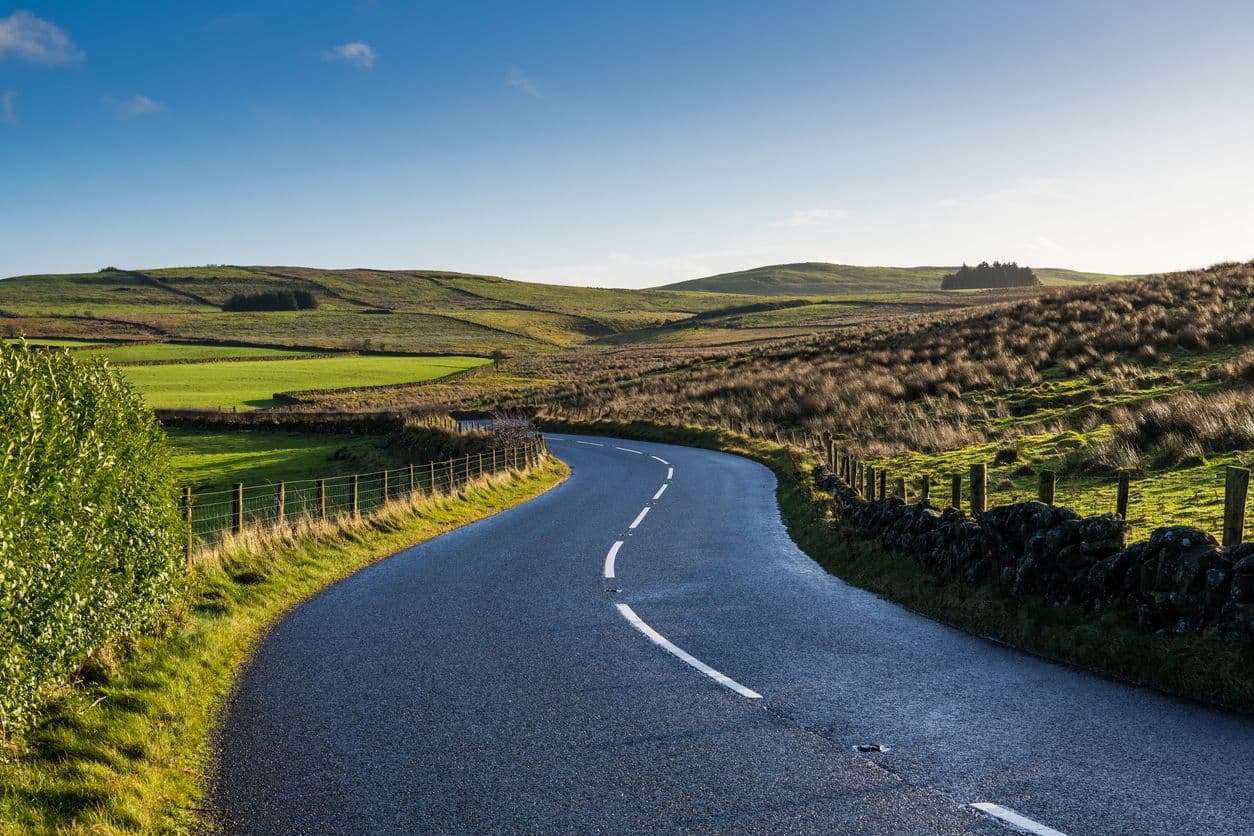
We are pleased to announce that OpenWeather has officially joined the Local Council Roads Innovation Group (LCRIG). This membership represents a significant milestone in our ongoing efforts to support the UK transport infrastructure through precise and accessible meteorological data. LCRIG plays a vital role in connecting local authorities with industry experts and innovators who are actively shaping the future of roads and transport. By becoming a member, we look forward to working closely with councils and engineering partners to build resilient transport networks that serve communities effectively.
Dmytro Chupryna, Business Developer at OpenWeather, said:
“By joining LCRIG, OpenWeather aims to support local authorities with accurate weather intelligence that strengthens resilience and operational efficiency. We are delighted to collaborate with the LCRIG community and contribute to innovation across the UK’s transport sector.”
Local authorities across the UK face increasing pressure to maintain safe and efficient road networks amidst changing climate conditions. From winter maintenance to managing surface water flooding, weather is a constant variable that impacts operational decision making. Our engagement with LCRIG allows us to listen to the specific needs of the sector and demonstrate how modern weather intelligence can transform maintenance strategies from reactive responses to proactive planning.
Enhancing Operational Efficiency
The challenge for many local government teams involves managing limited resources while ensuring public safety. Accurate weather data is fundamental to this balance. We believe that by integrating granular weather insights into existing management systems, councils can optimize their operations significantly.
For example, winter service plans rely heavily on knowing exactly when and where road surface temperatures will drop. The OpenWeather Road Risk API offers capabilities that are particularly relevant here. This tool allows users to track weather conditions along specific route coordinates rather than just a general area. A local authority winter maintenance team could potentially utilize this data to monitor specific corridors for ice formation risks or heavy snowfall. This level of detail supports precise decision making regarding where to deploy gritting fleets. It helps prevent the waste of salt stocks and fuel on routes that do not require treatment.
Furthermore, road maintenance tasks such as surface dressing and line marking are highly sensitive to moisture and temperature. Access to reliable short term forecasts ensures that crews are only deployed when conditions are suitable. This reduces the frequency of abortive visits and ensures that budgets are spent on delivering improvements rather than rescheduling works.
Key Benefits for Local Infrastructure
Integrating advanced weather data into highway management systems offers numerous advantages for local authorities and community projects. Here are several ways accurate meteorological inputs can support the sector:
- Granular Forecasting: Minute by minute precipitation forecasts help operational managers time sensitive road works to avoid wash offs and wasted materials.
- Route Based Risk Analysis: The Road Risk API enables the dynamic assessment of weather hazards along specific transport corridors which aids in safe routing for council fleets and refuse collection vehicles.
- Historical Context: Access to extensive archived weather data supports long term infrastructure planning and allows for robust climate resilience audits.
- Simplified Reporting: AI driven text summaries streamline the communication of complex weather risks to stakeholders and public communication teams.
- Asset Protection: Monitoring specific parameters like dew point and humidity helps teams proactively manage assets that are sensitive to moisture and corrosion.
Strategic Planning and Resilience
The OpenWeather Dashboard serves as a comprehensive tool for this type of high-level oversight, offering a visual interface that supports both immediate decision-making and long-term resilience strategies. By consolidating data from across a road network into a single view, it allows asset managers to monitor multiple locations simultaneously. A standout feature for strategic planning is the generation of custom weather reports. These tailored documents provide detailed analysis of historical weather patterns and forecast trends specific to local infrastructure, enabling teams to audit past performance during extreme weather events. Whether analyzing the effectiveness of winter service routes or reviewing drainage capacity after heavy rainfall, these insights facilitate data-led adjustments to future maintenance schedules, ensuring resources are allocated efficiently to strengthen network resilience.
Our partnership with LCRIG underscores our dedication to the public sector and the communities it serves. We are eager to contribute to the collaborative environment LCRIG has cultivated. There is immense potential for weather data to drive innovation in the highways sector. We look forward to supporting local councils and partners as they work to create safer, greener, and more efficient transport networks across the UK. Through collaboration and the intelligent application of data, we can better prepare for the challenges of tomorrow.