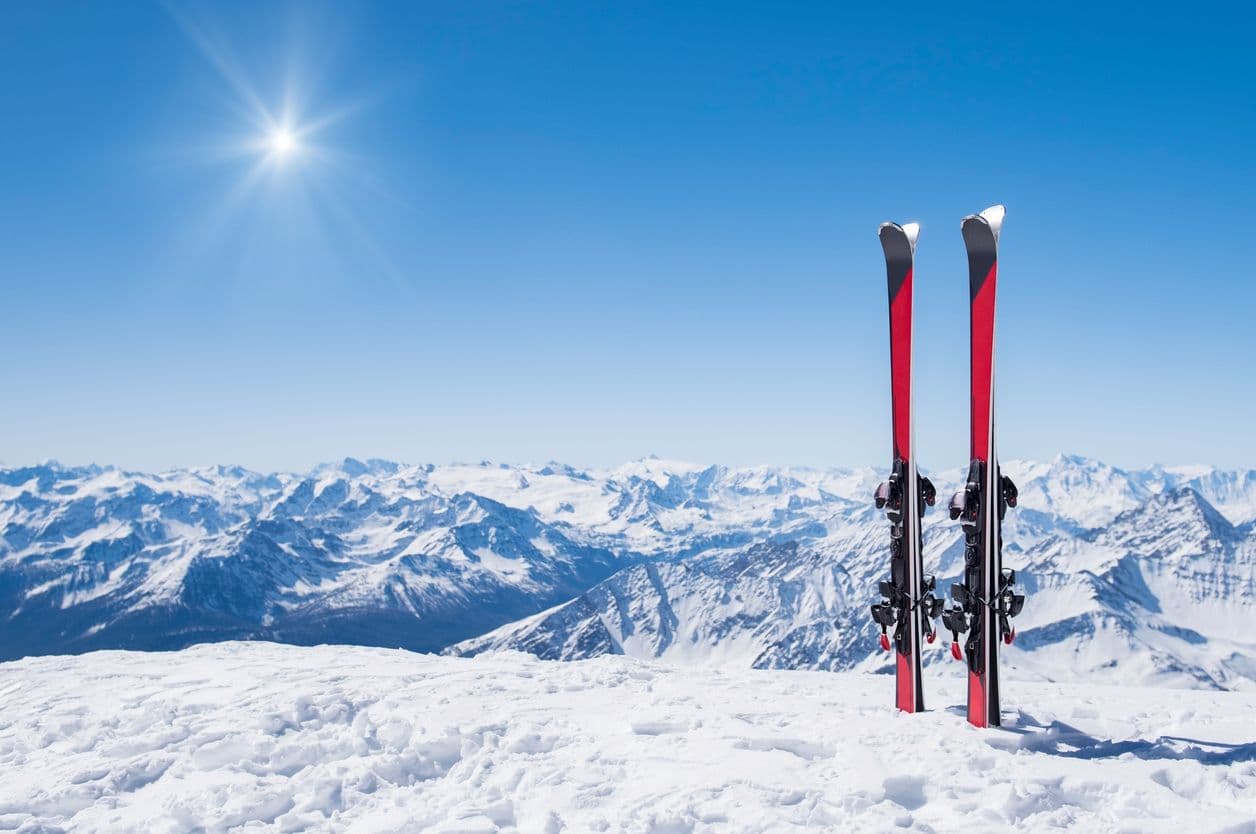
For decades, the search for the perfect ski run was largely a game of chance. Enthusiasts would book trips to the Swiss Alps months in advance, hoping the elements would align over Zermatt or St. Moritz to provide that elusive combination of deep coverage and sunshine. Today, the approach to winter sports tourism has shifted from hopeful speculation to precision planning. As the industry evolves, technology now allows skiers, resort operators, and developers to analyze the mountain environment with granular accuracy, ensuring that when the skis hit the snow, the conditions are exactly as anticipated.
This shift is powered by sophisticated weather data that goes far beyond the traditional icon of a snowflake on a dashboard. Modern applications utilize high-resolution layers and API integration to distinguish between a dangerous, icy crust and the deep, dry powder that freeriders chase.
The Snow Quality Equation
The difference between a mediocre day and a legendary one often lies in the specific characteristics of the precipitation. In high-altitude resorts like St. Moritz, known for its "Champagne climate," the dryness of the air is just as critical as the volume of snowfall. Serious freeriders understand that not all snow is created equal. A "wet" snow, heavy with moisture content, behaves differently under ski edges than "dry" powder, which offers that coveted floating sensation.
This is where precise meteorological data becomes a safety and performance tool. Understanding the freezing level (the altitude at which rain turns to snow) helps skiers avoid lower valleys where rain-on-snow events may have ruined the base, creating hazardous ice sheets. By analyzing atmospheric conditions, apps can now guide users toward higher-altitude zones where the temperature has remained sufficiently low to preserve the snow's crystalline structure.
Visualizing the Terrain with Weather Maps 2.0
For developers building the next generation of winter sports applications, the ability to visualize this data is paramount. OpenWeather’s Weather Maps 2.0 offers a suite of map layers that transform raw numbers into actionable visual intelligence. Specifically, the Snow Depth and Accumulated Precipitation layers allow users to scout terrain remotely with remarkable effectiveness.
By layering this data over a map of a region like the Matterhorn Glacier Paradise, a user can instantly see not just where precipitation is falling, but what kind of precipitation it is. The distinct layers for rain and snow enable a clear visualization of the snowline. If a warm front moves through the Alps, a skier using an app integrated with these layers can visually identify the exact elevation where the rain stops and the snow begins. This insight prevents the disappointment of skiing into slush and helps route planning toward the powder stashes that remain untouched by rising temperatures.
Hyper-Local Precision with One Call API 3.0
While maps provide the broad strategic view, tactical planning requires data that is updated minute-by-minute. OpenWeather’s One Call API 3.0 serves as the engine for this granular decision-making. In the context of a ski resort, conditions can change rapidly; a sudden drop in visibility or a spike in wind speed can shut down high-altitude lifts in minutes.
The One Call API 3.0 aggregates essential data points, such as visibility, wind gusts, and freezing point into a single request. For a skier standing at the top of a run in Zermatt, an app powered by this API can deliver real-time confidence. It confirms that the visibility down the valley is clear and that the wind chill remains within safe limits. This level of detail empowers skiers to maximize their time on the slopes, avoiding the frustration of waiting out a whiteout that was predicted to clear in ten minutes.
Key Metrics for the Modern Skier
To build a truly comprehensive winter sports tool, developers focus on specific meteorological parameters that directly impact safety and enjoyment on land-based terrain:
- Snow Depth: Analyzing the total accumulation helps gauge off-piste coverage and potential hazards like hidden rocks.
- Freezing Level: Tracking the 0°C isotherm is essential for predicting surface quality and avoiding melt-freeze cycles.
- Wind Speed and Direction: High winds not only close lifts but also scour ridges and create dangerous snow drifts (wind slabs).
- Visibility: Low visibility (whiteout) is a primary safety concern in high-alpine environments like the Swiss Alps.
- Precipitation Intensity: Distinguishing between light flurries and heavy accumulation assists in timing the perfect "fresh tracks" run.
The Future of Winter Tourism
The integration of detailed weather intelligence is reshaping how the world engages with winter sports. It moves the experience away from unpredictability and toward informed adventure. By leveraging tools like Weather Maps 2.0 and One Call API 3.0, the industry can ensure that every trip to the mountains is optimized for the best possible conditions. Whether navigating the glaciated terrain of Zermatt or the expansive pistes of St. Moritz, technology is helping skiers chase the powder with greater success than ever before.