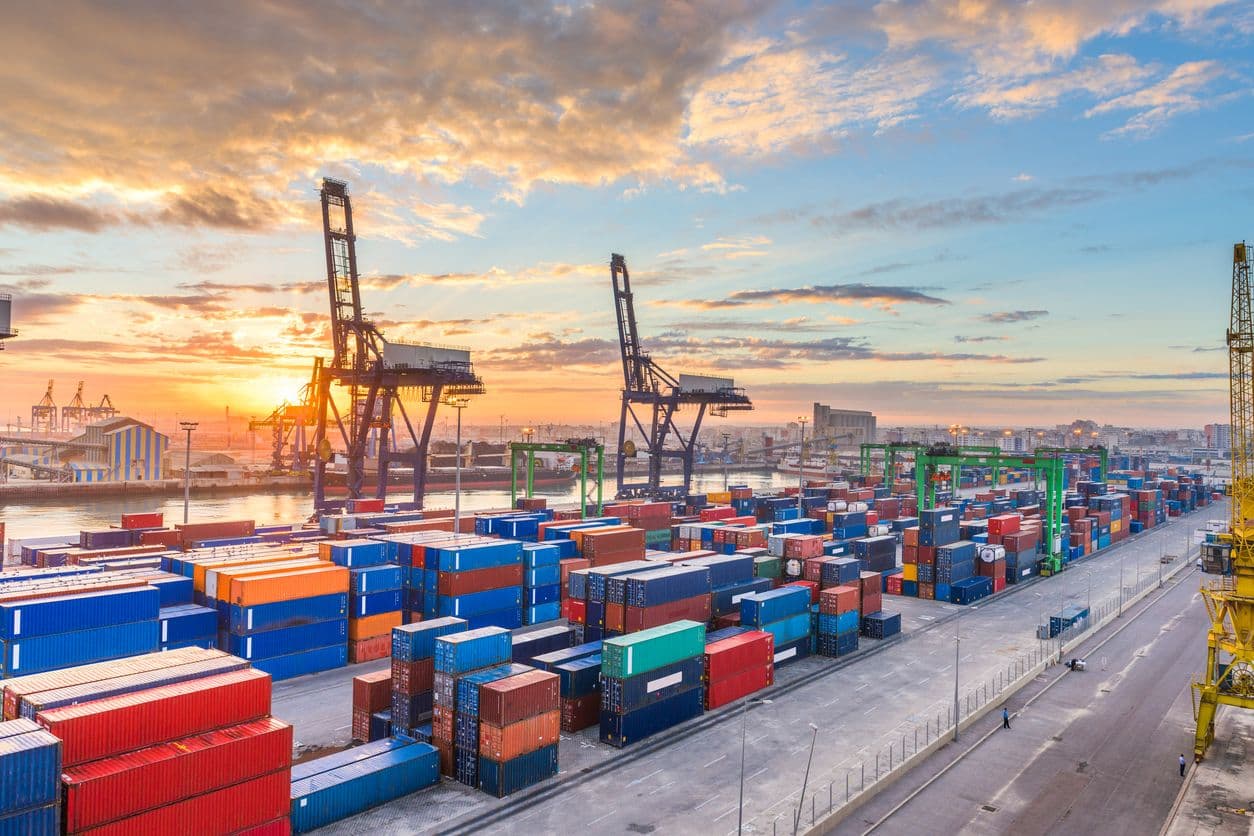
In our interconnected world, the journey of a product from a warehouse to our doorstep often appears deceptively simple. We click, and a few days later, a package arrives. Behind this seamless experience, however, lies a global logistics network of immense complexity, a finely tuned machine that is constantly battling one of nature's most powerful and unpredictable forces: the weather. For logistics companies, managing the impact of adverse weather is not just a matter of inconvenience; it is a critical component of a multi-billion dollar effort to prevent delays, protect cargo, and ensure the global supply chain remains resilient.
A real-world challenge: the 2024 Spanish floods
Recent history provides a stark reminder of the weather's disruptive power. On 29 October 2024, catastrophic floods devastated eastern and southern Spain. Spain's national meteorological agency, AEMET, recorded 491 mm of rain in just eight hours at Chiva, near Valencia, roughly a year's worth of rainfall, and more than the area had received in the preceding twenty months. Critical infrastructure was overwhelmed: major motorways were closed, and extensive damage to railway lines brought train services, including high-speed freight, to a halt.
For logistics planners, this was a worst-case scenario. This region of Spain is a major hub for distribution centers, serving the automotive, manufacturing, and agricultural sectors. The floods created an immediate and near-total blockage of major land-based arteries for goods moving across Europe. The incident highlighted the acute vulnerability of even the most modern supply chains to extreme weather events, forcing companies into a reactive scramble to find alternative routes and manage massive delays.
From reactive to proactive: the power of weather intelligence
While reacting to disasters is necessary, the logistics industry is increasingly shifting its focus towards proactive, data-driven strategies. Instead of waiting for a storm to hit, companies are now leveraging sophisticated weather forecasting to anticipate disruptions and make smarter decisions far in advance. This evolution is powered by access to precise and reliable weather data, which allows for the rerouting of shipments, the adjustment of delivery schedules, and the strategic prepositioning of assets long before a weather event makes landfall.
This proactive stance transforms weather from an uncontrollable threat into a manageable variable. By integrating advanced weather intelligence into their operational planning, logistics firms can build more robust and flexible supply chains. This not only saves billions in potential losses from damaged goods and delayed shipments but also enhances efficiency and reliability, which are the cornerstones of the modern logistics industry.
Building resilient supply chains with OpenWeather
This is where OpenWeather provides critical support. For logistics professionals, two products offer the detailed, actionable intelligence needed to navigate weather-related disruptions from the planning desk to the driver's cab.
The One Call API 4.0 is vital for planning at every horizon. Its daily weather timeline extends up to 1.5 years ahead, so a logistics company can identify potential weather systems that could impact key transport corridors weeks in advance. For example, if a major winter storm is forecast to hit a primary trucking route through the Alps in two weeks, planners have ample time to reroute shipments through an alternative pass or switch to rail transport for that period, completely avoiding the disruption. Closer to departure, the API's 15-minute forecast timeline for the next 48 hours, combined with official alerts from national weather agencies, lets dispatchers fine-tune schedules and driver notifications as conditions evolve.
Specifically for ground transport, the Road Risk API provides an essential layer of safety and efficiency. This service delivers alerts for hazardous road conditions such as ice, heavy rain, or strong crosswinds. A trucking company using this API can automatically alert its drivers to slow down or take a designated alternative route, preventing accidents and ensuring the safety of both the driver and the cargo. By integrating this API, companies can:
- Enhance Driver Safety: Provide drivers with timely alerts about hazardous conditions, reducing the risk of accidents.
- Optimise Routes: Dynamically adjust routes to avoid weather-related closures and delays, ensuring on-time delivery.
- Protect Cargo: Minimise the risk of damage to sensitive goods by avoiding routes with extreme weather conditions.
- Improve Operational Efficiency: Reduce fuel consumption and wear and tear on vehicles by avoiding weather-induced traffic jams and poor road conditions.
The silent, daily battle against the weather is a testament to the sophistication and resilience of the global logistics industry. By harnessing the power of advanced weather data, companies are not just reacting to disruptions but actively shaping their own outcomes. The future of logistics will be defined by this ability to anticipate, adapt, and act, ensuring that no matter what the weather brings, the global flow of goods continues uninterrupted.