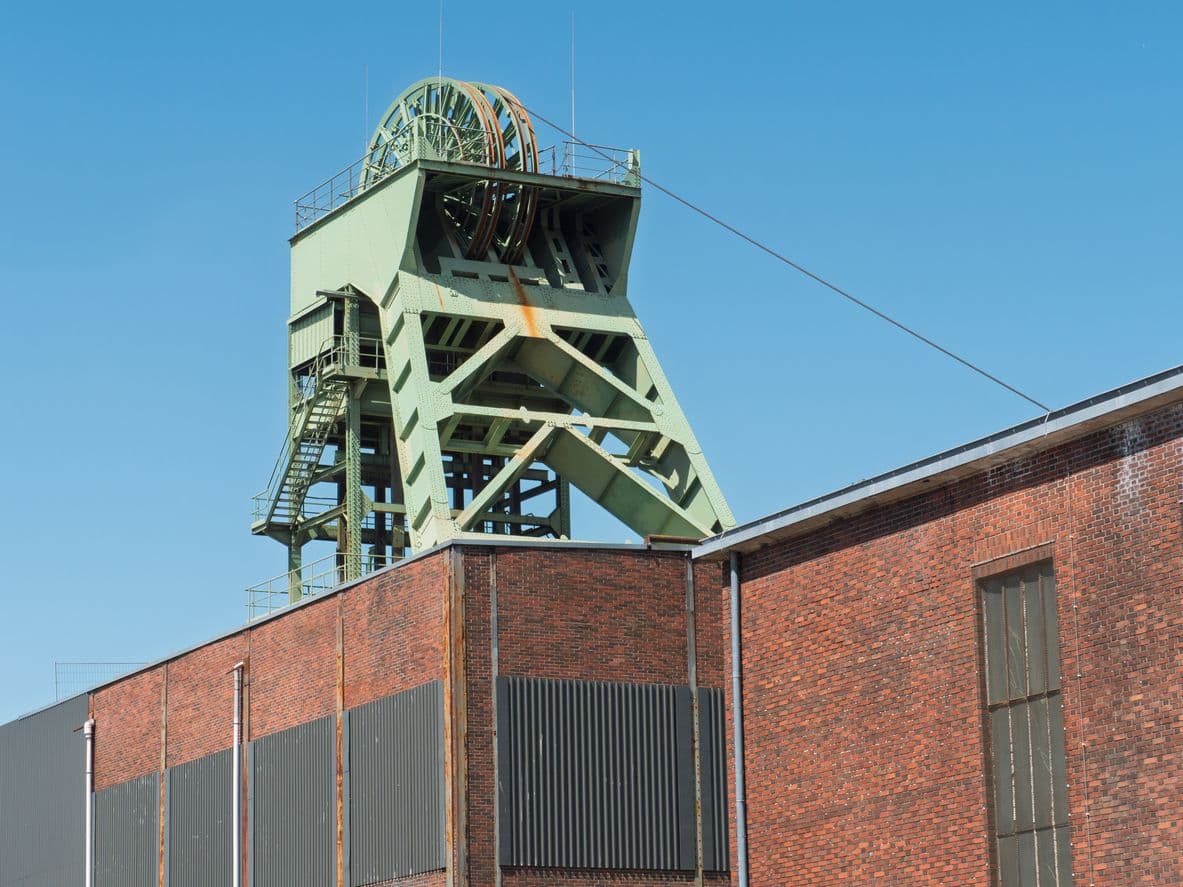
The global transition to renewable energy sources like solar and wind power presents a significant challenge: intermittency. While clean and abundant, the sun does not always shine, and the wind does not always blow. This variability necessitates robust energy storage solutions to ensure a stable and reliable electricity grid. The repurposing of disused mine shafts into massive gravity batteries is starting to gain traction. This method offers a promising way to store surplus renewable energy, contributing to grid stability and a more sustainable energy future.
Gravity Batteries: Turning Physics into Profit
The concept behind gravity batteries is remarkably straightforward, utilizing heavy weights suspended in deep mine shafts, often repurposing dormant industrial sites in the UK and USA. Physically, the mechanism is simple: surplus energy from sunny or windy periods lifts the weight, storing potential energy, which is released back into the grid as kinetic energy when the weight falls during high demand. However, from a business perspective, the mechanics are only half the equation. The commercial viability of these projects relies entirely on arbitrage charging when energy is cheap and discharging when it is valuable.
To maximize Return on Investment (ROI), operators need sophisticated optimization strategies that require dynamic algorithms blending weather, price, and demand.
In a market driven by volatility, precision is the competitive advantage. OpenWeather transforms raw environmental data into actionable business intelligence for energy storage operators:
- Fused Data Intelligence: We provide hyper-local weather data fused with demand forecasts, allowing operators to predict renewable surplus (charging windows) and grid stress (discharge windows) with high accuracy.
- Revenue Optimization: Our API offers indicators that identify specific windows where storage dispatch will yield the highest revenue, moving beyond simple storage to strategic asset management.
- Market Alerts: We empower market participants with real-time alerts for approaching peak demand events and price spikes, ensuring that gravity storage systems are primed to release energy exactly when the grid—and the market—needs it most.
Optimising Storage with Weather Data
The efficient operation of these gravity batteries hinges on a crucial factor: knowing when to charge and discharge them. This is where accurate and timely weather data becomes indispensable. Grid operators and project developers need a comprehensive understanding of renewable energy generation forecasts to make informed decisions about energy storage.
Consider a scenario where a large solar farm is generating a substantial amount of electricity on a clear, sunny day. To prevent curtailment – the process of deliberately reducing renewable energy generation because the grid cannot absorb it all – a gravity battery can be charged during this period of high solar output. Similarly, if wind farms are experiencing strong, consistent winds, the excess power can be stored. Conversely, on a cloudy, still day when renewable generation is low but demand is high, the stored energy can be released to supplement the grid.
OpenWeather's suite of meteorological products can provide the critical insights needed for such operations.
The OpenWeather Energy Dashboard provides a highly customisable, specialised platform built on OpenWeather’s precise environmental data that forecasts renewable energy output and assesses site-specific environmental risks. The dashboard can be used as a core industrial solution due to its accuracy, versatility and ability to be customized to the requirements of any specific global renewable energy installation.
In addition the Solar Irradiance API delivers precise data on solar irradiance, allowing project managers to anticipate periods of high solar energy availability. In addition.
By integrating this data, operators can predict when solar farms will be generating their peak output and schedule the charging of gravity batteries accordingly. This proactive approach ensures that valuable clean energy is not wasted but instead captured and stored for future use.
Furthermore, accurate wind speed forecasts are equally vital. OpenWeather's detailed Historical and Forecast Wind Collection can provide predictions for wind speeds at various altitudes, which is crucial for estimating the output of wind farms. By combining solar radiation data with wind forecasts, operators can develop sophisticated algorithms to optimise the charging cycles of gravity batteries, ensuring they are always ready to absorb excess energy or release it when needed.
Community and Government Initiatives
The development of gravity battery projects often aligns with broader community and government goals for sustainable energy and regional regeneration. Local authorities in areas with a legacy of mining, for example, are often keen to explore innovative uses for these sites. These projects can bring new jobs and investment to communities, transforming former industrial landscapes into hubs of renewable energy innovation. Government initiatives focused on grid modernisation and renewable energy integration are also key drivers, often providing funding and regulatory support for such ventures.
The benefits of these mechanical batteries extend beyond just energy storage:
- Grid Stability: They help balance supply and demand, preventing blackouts and brownouts.
- Reduced Carbon Emissions: By integrating more renewable energy, they lessen reliance on fossil fuel power plants.
- Economic Revitalization: Repurposing old mine sites can create new economic opportunities in former industrial regions.
- Long Lifespan: Unlike chemical batteries, mechanical systems can have a very long operational life with minimal degradation.
- Environmental Benefits: They offer a sustainable alternative to other energy storage methods, often with a smaller environmental footprint.
These large-scale energy storage solutions are a testament to human ingenuity in addressing complex challenges. By harnessing the simple power of gravity and integrating sophisticated weather intelligence, disused mine shafts are being transformed into vital components of a resilient and sustainable energy infrastructure for the future. As communities and governments continue to push for a cleaner energy landscape, the repurposing of these subterranean spaces offers an exciting and impactful pathway forward.