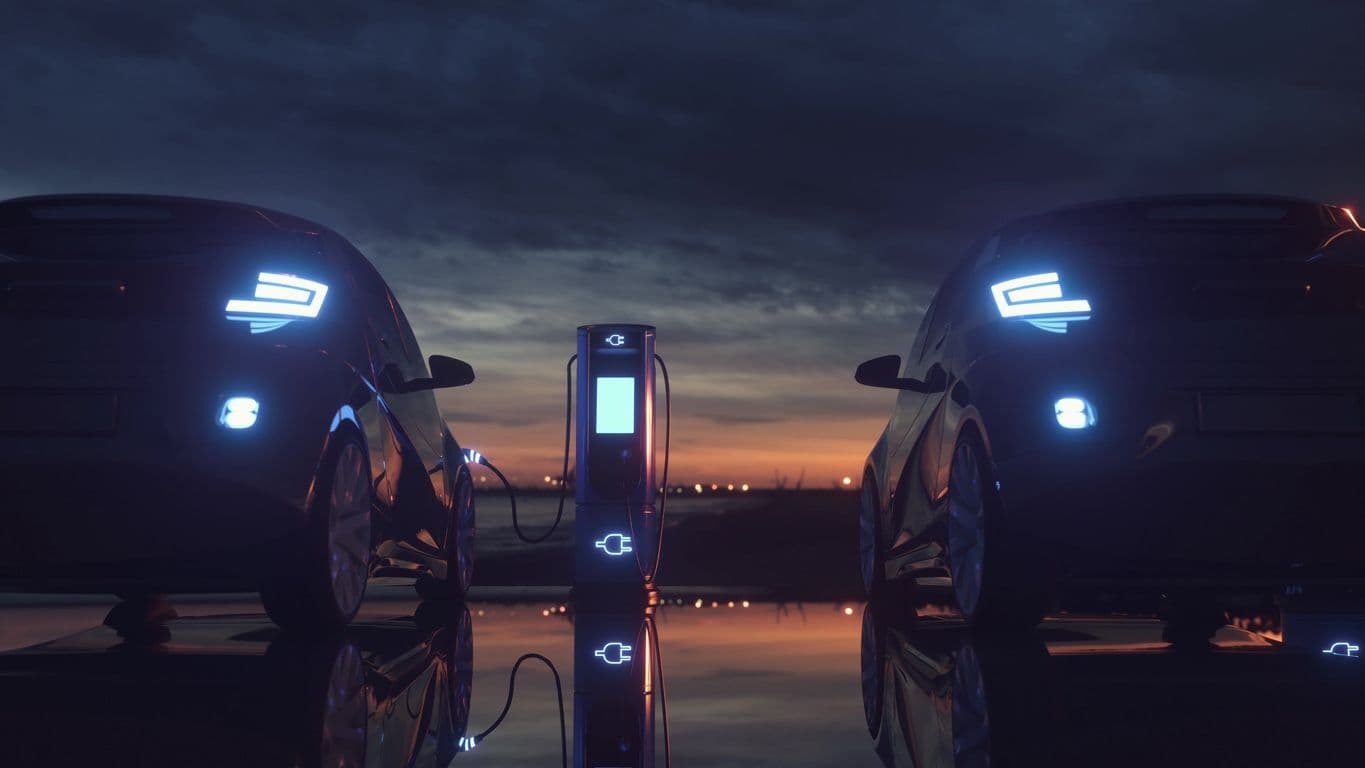
The transition to electric mobility is advancing rapidly as engineers and policymakers seek sustainable solutions for land transportation. Much of the current excitement surrounds the development of solid-state batteries. These power sources promise higher energy density, faster charging times, and improved safety compared to traditional lithium-ion counterparts. While this technology represents a significant leap forward for electric vehicles, it remains subject to fundamental physical laws. Temperature continues to play a critical role in battery performance. This relationship between ambient weather and energy efficiency creates a challenge known as the thermal gap.
The physics of battery performance
Solid-state batteries replace the liquid electrolyte found in conventional batteries with a solid material. This change allows for greater stability and capacity. However, the movement of ions within the battery is still influenced by temperature. In extreme cold, ionic conductivity slows down. This resistance reduces the available power and decreases the effective range of the vehicle. Conversely, exposure to high heat can degrade battery materials over time and impact long-term reliability.
Thermal management systems are therefore essential for maintaining optimal performance. These systems work to keep the battery within a specific temperature window where ionic movement is most efficient. The effectiveness of these systems relies heavily on the accuracy and timeliness of the data they receive. A system that reacts only after the vehicle is already freezing or overheating is inefficient. True optimization requires anticipation.
Regional challenges: from Scandinavia to the Middle East
The impact of weather on electric vehicle range is evident when observing diverse climates. In Northern European regions, such as Scandinavia, municipal bus fleets and postal services operate in temperatures that frequently drop well below freezing. Without active thermal management, a vehicle might lose a significant percentage of its range before it even leaves the depot.
In contrast, government fleets operating in the arid climates of the Middle East face the opposite extreme. Here, the challenge is not maintaining heat but dissipating it. High ambient temperatures require aggressive cooling strategies to preserve battery health during charging and operation. In both scenarios, the energy required to heat or cool the battery comes from the battery itself or the grid. Minimizing this energy expenditure requires precise planning.
Integrating hyper-local weather data
This is where high-precision weather data becomes a vital component of modern transportation infrastructure. Advanced thermal management systems can utilize API inputs to predict environmental conditions before they occur. By integrating tools such as the OpenWeather One Call API 4.0, fleet management software could access minute-by-minute and 15-minute forecast timelines for precipitation and temperature.
Access to granular weather data allows a vehicle or charging station to pre-condition the battery. If a forecast indicates a sharp drop in temperature at 6:00 AM, a smart charging system connected to the grid can begin warming the battery at 5:30 AM using wall power rather than depleting the vehicle's stored energy. This ensures that when the driver starts their shift, the battery is already at the optimal temperature for ionic conductivity. The result is maximum range and efficiency from the moment the wheels start turning.
Strategic route planning and safety
The utility of weather data extends beyond pre-conditioning. It is also crucial for dynamic route planning. Public transportation networks and logistics coordinators need to know how weather will affect energy consumption along specific routes. Using the OpenWeather Road Risk API, developers can enhance navigation systems to account for weather-related road conditions and atmospheric changes along a planned journey.
For example, a heavy rainstorm or snowfall increases rolling resistance, which consumes more energy. If a navigation system understands that a specific route will face these conditions, it can adjust range estimates accordingly or suggest an alternative path. This level of insight helps prevent range anxiety and ensures that public utility vehicles complete their rounds without interruption.
Forecast models alone, however, can carry a systematic bias in the very places where fleets are most exposed: bridge decks that freeze before the surrounding road, shaded valley sections, urban heat pockets around depots. Dedicated hardware installations close this gap. Deploying OWS road weather stations — with road condition and surface temperature sensors — along key routes and at charging depots provides continuous ground-truth observations from the exact microclimates a fleet operates in. These on-site measurements are used to correct model bias and sharpen forecasts into genuinely hyper-local data, so that pre-conditioning schedules and route-level range estimates reflect the temperature the battery will actually encounter, not a regional average.
Benefits for infrastructure and communities
Local governments and community planners can leverage this data to build more resilient transportation networks. By understanding the specific weather profiles of their regions, they can optimize how electric fleets operate.
Accurate weather integration offers several distinct advantages for public projects:
- It allows for precise scheduling of public transit by accounting for weather-dependent range fluctuations.
- It facilitates energy savings by optimizing the timing of battery heating and cooling cycles while vehicles are plugged into the grid.
- It extends the operational lifespan of public fleet batteries by preventing exposure to damaging temperature extremes.
- It improves the reliability of essential services, such as waste management and emergency response, by ensuring vehicles are always ready to perform.
The Future of intelligent transportation
The evolution of solid-state batteries will undoubtedly improve the viability of electric vehicles. Yet the chemistry of these batteries will always interact with the environment. The most efficient vehicles of the future will be those that are aware of their surroundings.
By bridging the thermal gap with intelligent data, projects can unlock the full potential of solid-state technology. Whether for a city bus navigating a snowy street or a utility truck crossing a sun-drenched highway, the integration of precise weather data ensures that the journey is as efficient as the destination is sustainable.